ID guide › Dinoflagellates
Ostreopsis sp.
Extremely toxic. Ostreopsis makes the same toxin as Palythoa corals, palytoxin. Before you try to kill it, ventilate the area around the tank, run fresh carbon, and keep pets and children away. Read the safety notes.
How to recognize it
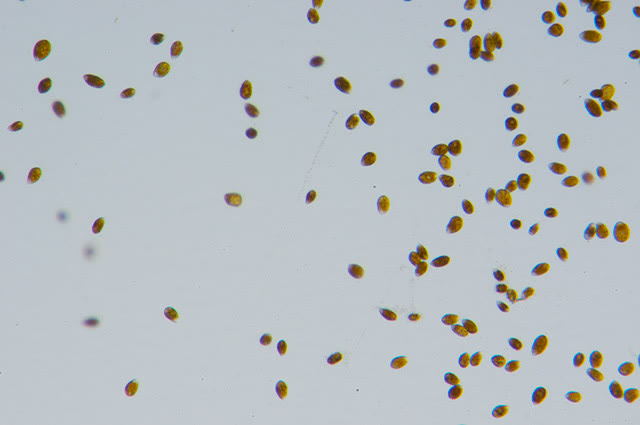
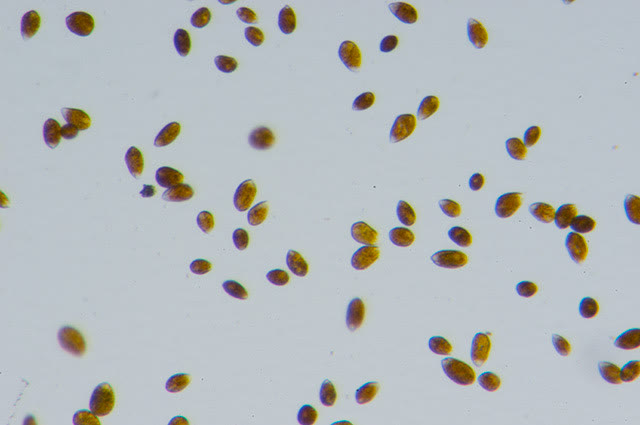
Ostreopsis can often be identified even at very low magnification because of its distinctive motion. Look for sesame-seed shaped cells spinning around an anchor point like a tetherball. Under higher magnification the cells are a teardrop or oval shape with a rounded end and a pointed end.
It is the most toxic of the dinos I tend to see in home aquaria. It also forms cysts, so if an eradication effort works you also need to address the nutrient problem that caused the bloom, or it can come back.
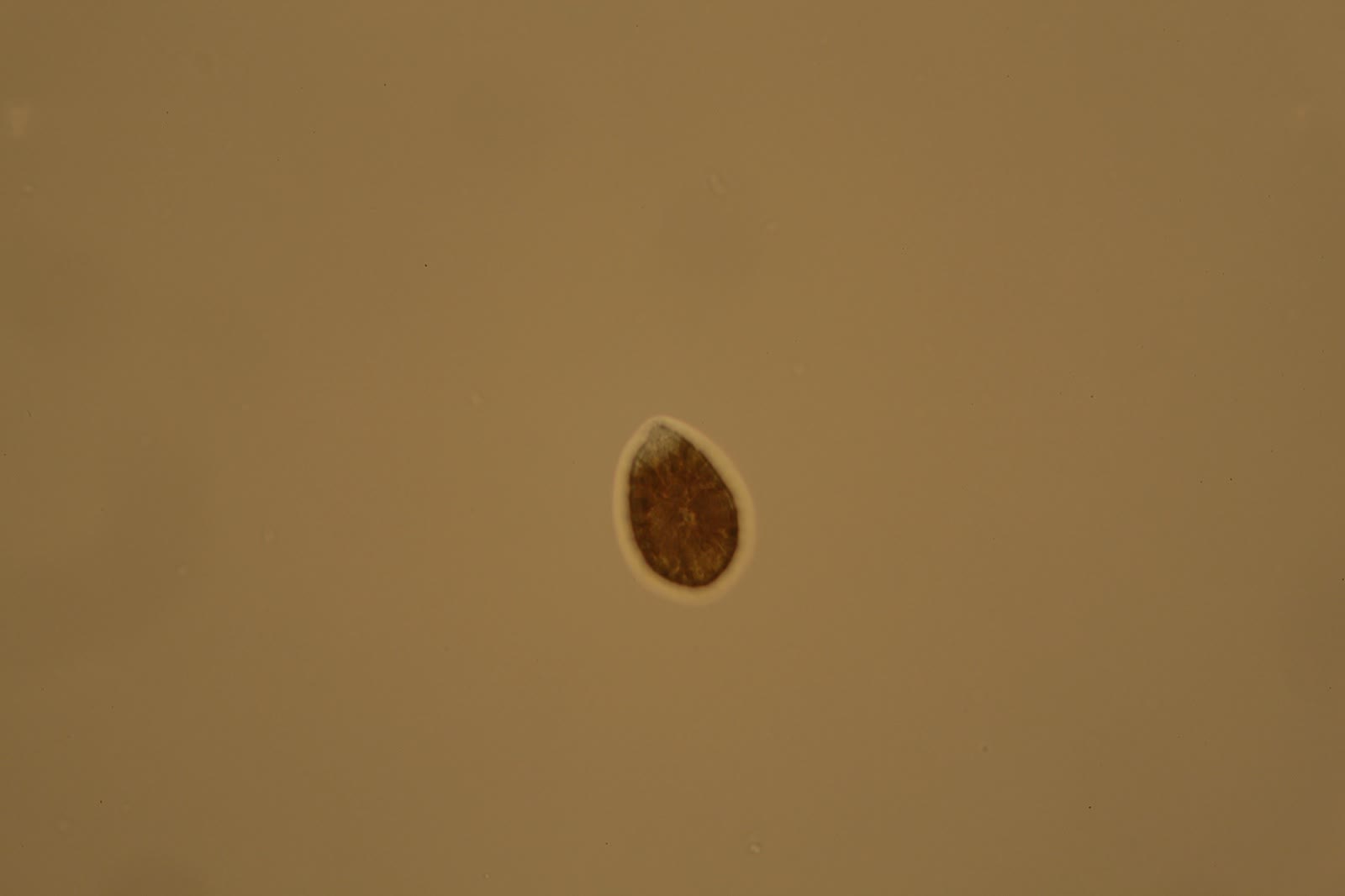
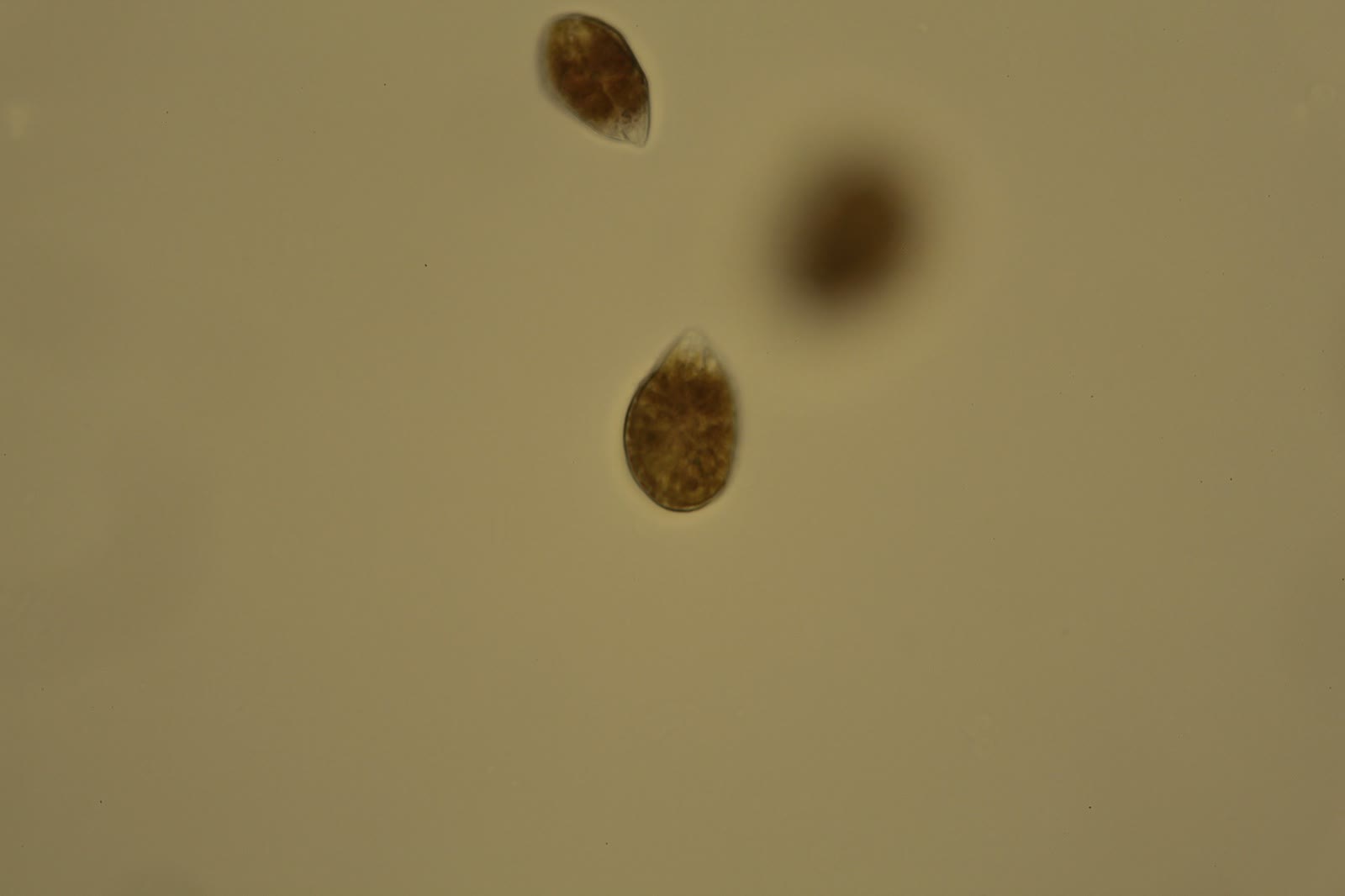
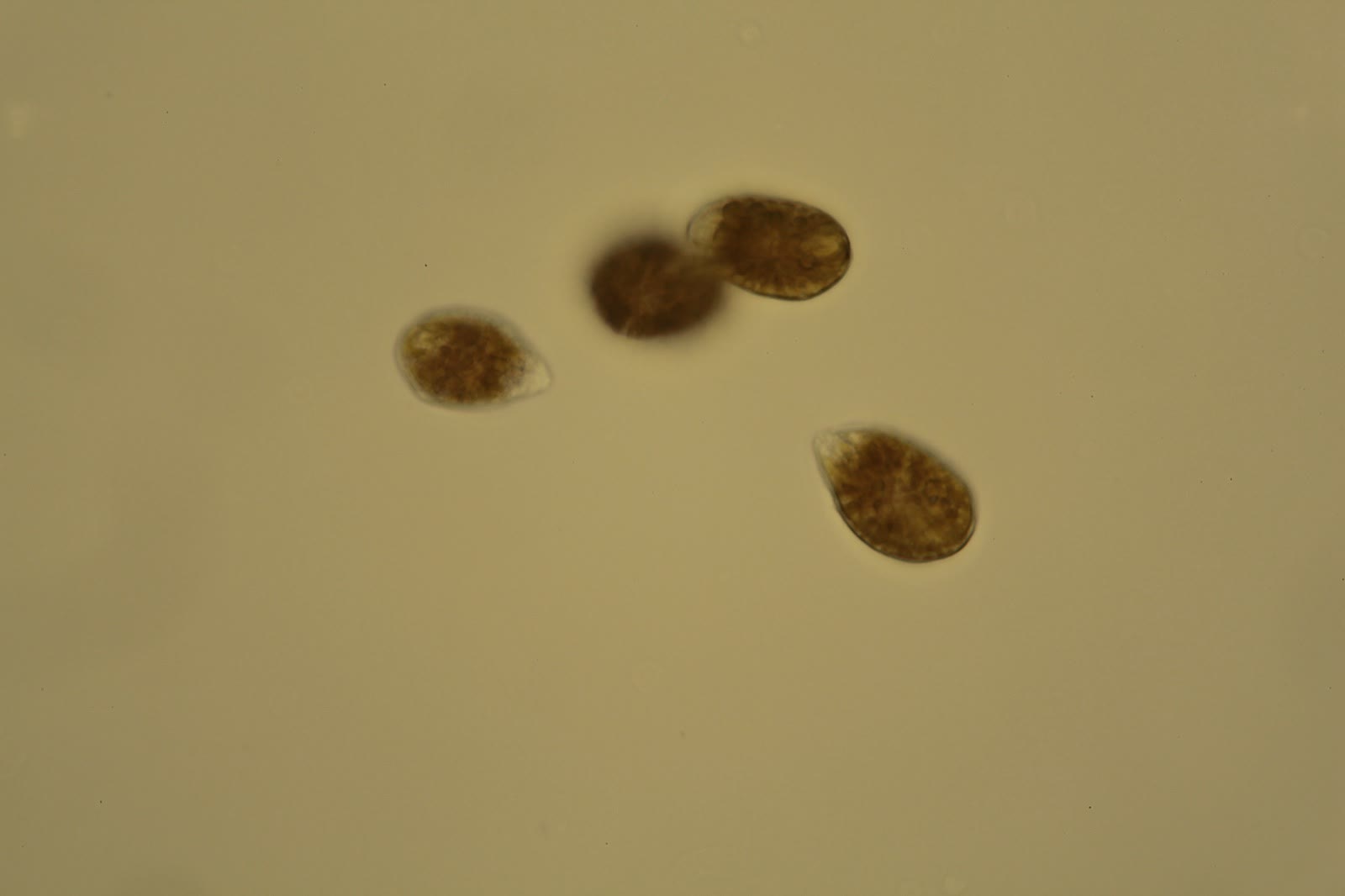
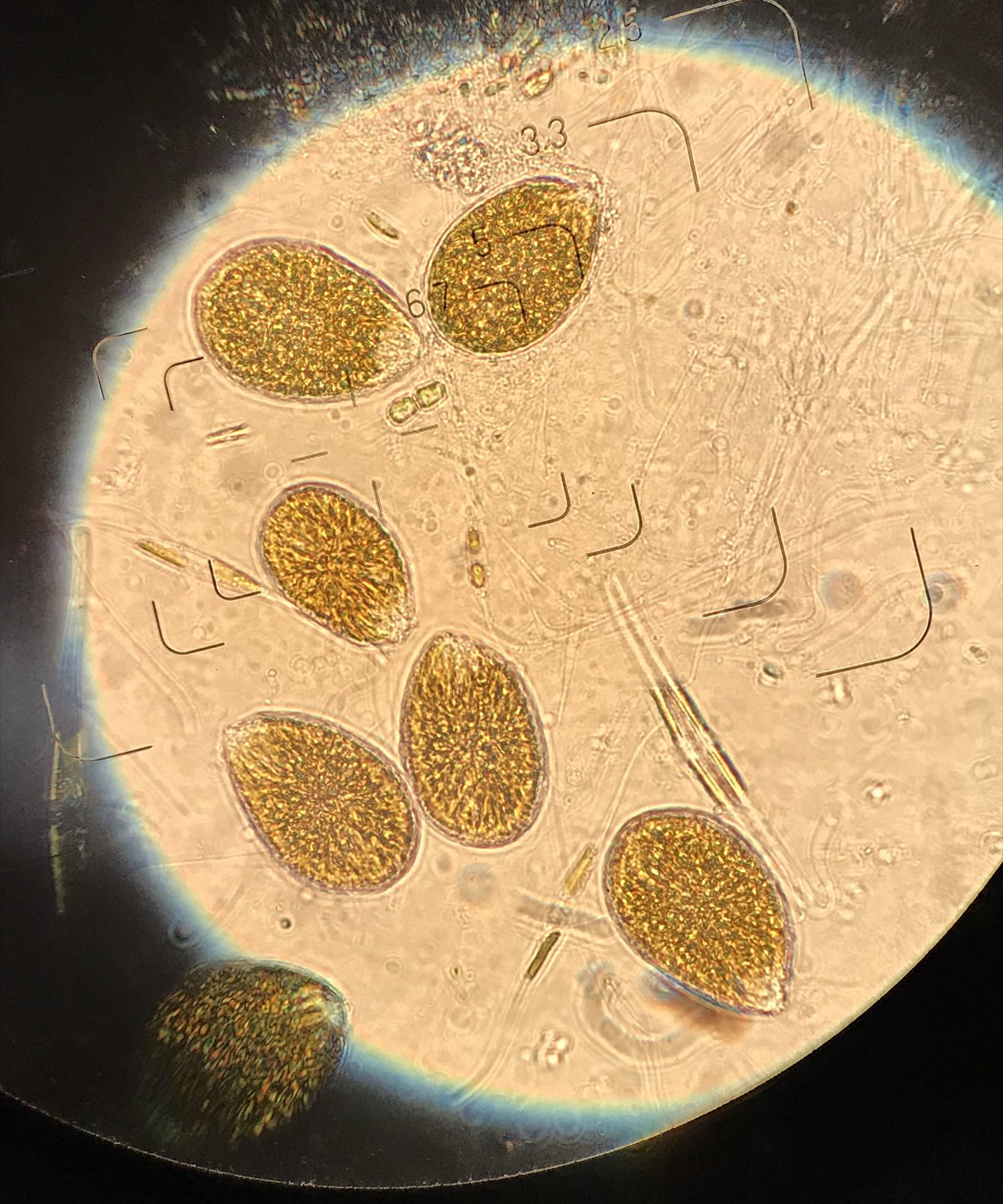
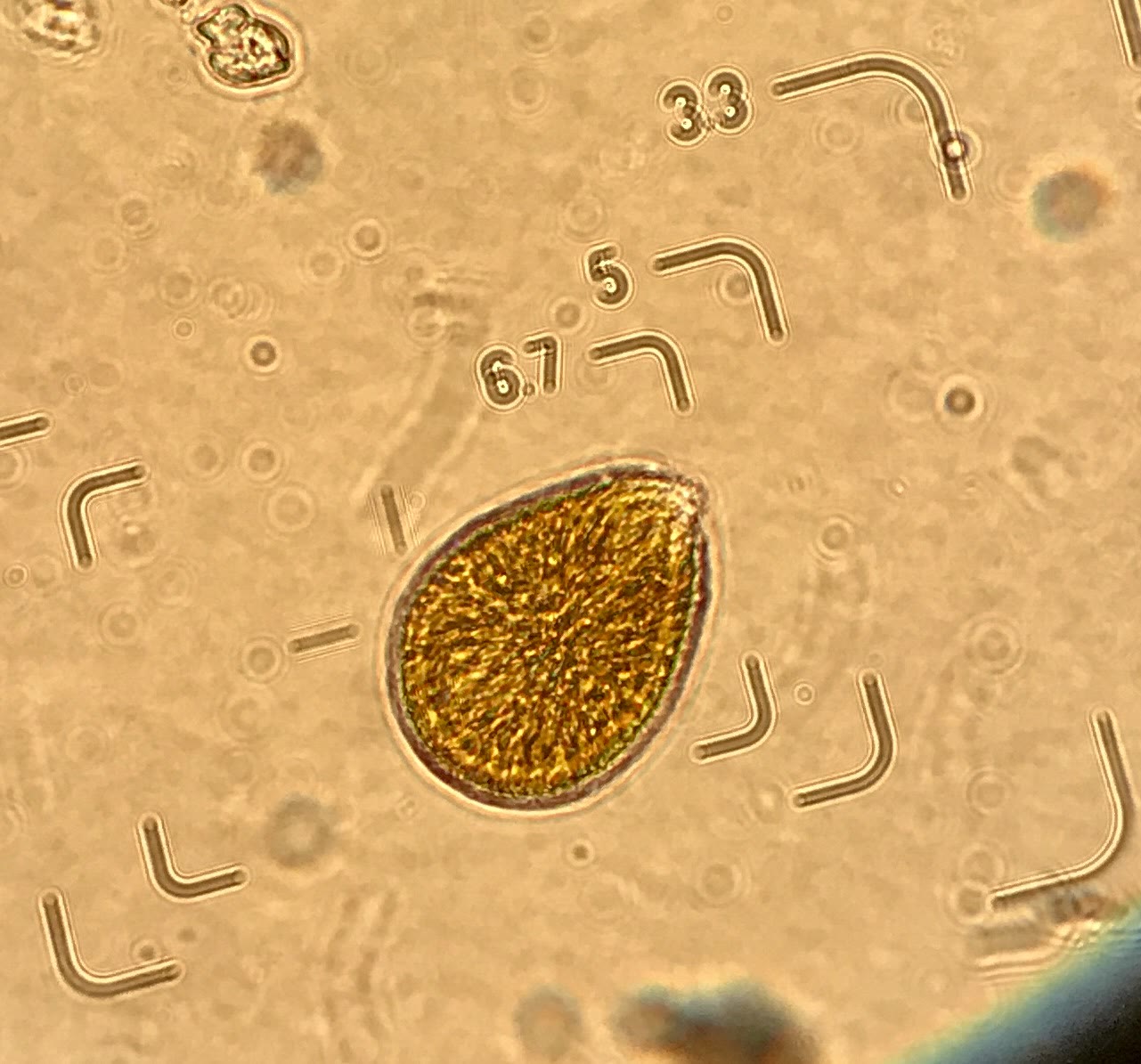
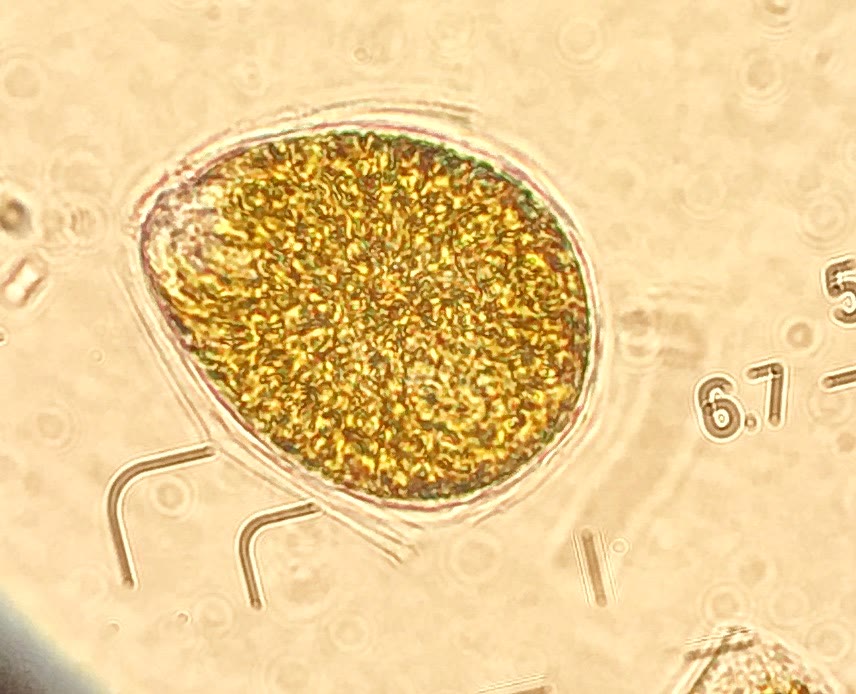
Low magnification
At 20X to 100X you see a scatter of small brown cells, and the spinning is easiest to spot in video.
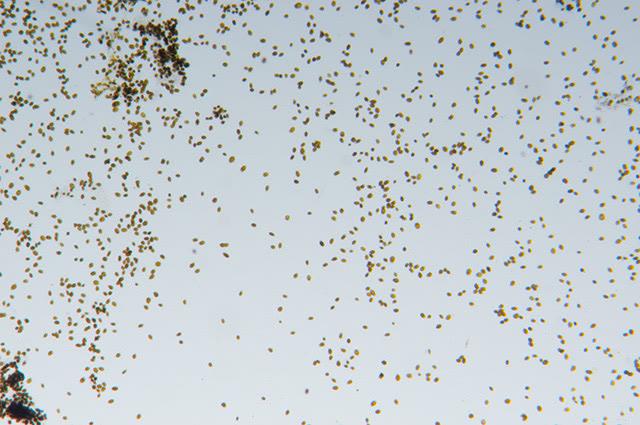
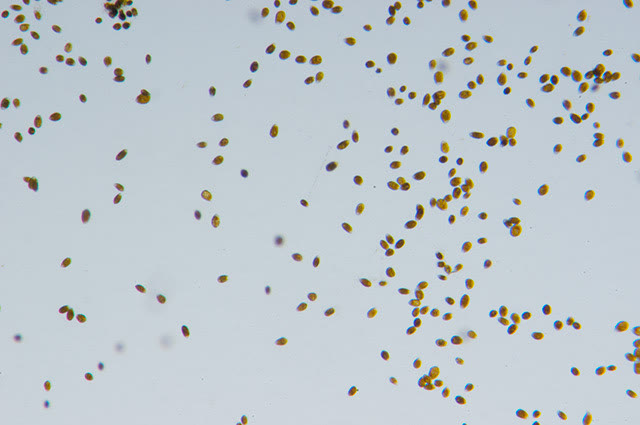
Videos
What to do
- Remove as much material as you can by hand before you start killing it, and dispose of it where kids and pets cannot reach it.
- Expect dying cells to release toxin. Run carbon and ventilate well, especially while a large number are dying off. Several aquarists who contacted me reported respiratory symptoms.
- Look for the underlying cause. Very low nutrients and a lack of grazers can both favor dinos. See the ecology notes.
- Ciliates can be a natural control. See the ciliates section.
More options are on the treatment page.